How to Date a Vintage Dress by Its Label, Zipper and Seams
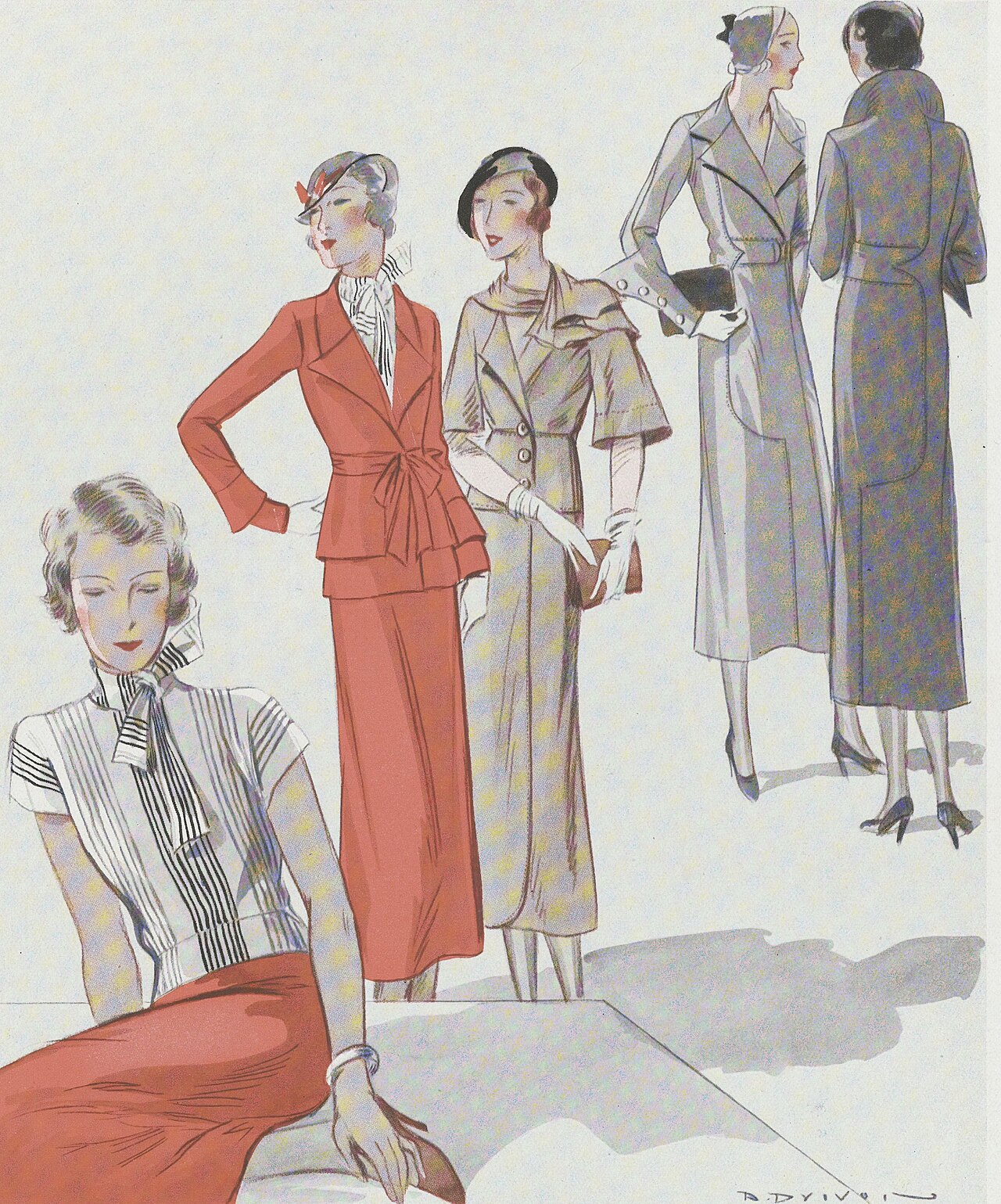

Sellers often write "vintage" and leave it there. A few small details inside a garment can narrow its age, which helps you judge price and authenticity.
1. Read the label
- Union labels. U.S. garments made under a garment workers' union often carry a union label. Its presence points to American factory production, and the design can help narrow the decade.
- RN numbers. U.S. labels often show an RN (registered identification) number that the FTC issues to manufacturers and importers, in use since the early 1950s. You can search an RN to find the company, which helps date a label.
- Fiber content. Labels listing fiber percentages are generally associated with the 1960s and later, when U.S. fiber labeling rules took effect. Earlier garments often have no content label.
- Care labels. Permanent washing instructions became standard in the U.S. in the early 1970s, so a care label usually means 1970s or later.
2. Check the zipper
Metal zippers are common in older garments, often at the side before center-back zippers became standard. Nylon coil zippers became widespread from the 1960s onward. A coil zipper in a dress described as 1940s is a red flag, though zippers do get replaced, so look for fresh stitching around it.
3. Look at seams and finishing
- Seam edges. Pinked edges, hand-overcast edges and bound seams are signs of older or hand-finished work. Machine-serged edges are common in later production.
- Hems. Hand-stitched hems and generous seam allowances are typical of older, higher-quality pieces.
- Closures. Snaps, hooks and eyes, and side plackets are typical of earlier decades, while later pieces often use plain zippers.
4. Consider fabric and shape
Natural fabrics such as cotton, wool, silk and linen, and early synthetics like rayon and acetate, are common in older dresses. Polyester becomes much more common later in the century. The silhouette matters too. Fashion plates like the one above show how cut and proportion changed from decade to decade.
5. Measure, don't trust the tag
Vintage sizing runs smaller than modern sizing, so ask for bust, waist, hip and length in inches. Request photos of the waist seam, underarms and lining, where wear and repairs show first.
What to ask an eBay seller
- Photos of the label, the zipper (front and back), and an inside seam.
- Any odors, stains, underarm wear, lining tears or fabric shatter, which is common in old silk.
- Whether any repairs or alterations were made, and the return policy.
Where to browse
Try vintage dresses, silk scarves, or costume jewelry to finish the look. Back to the Modalove home page for more finds.
Affiliate links: I may earn a commission from eBay on qualifying purchases at no extra cost to you. This site is not affiliated with or endorsed by eBay Inc.